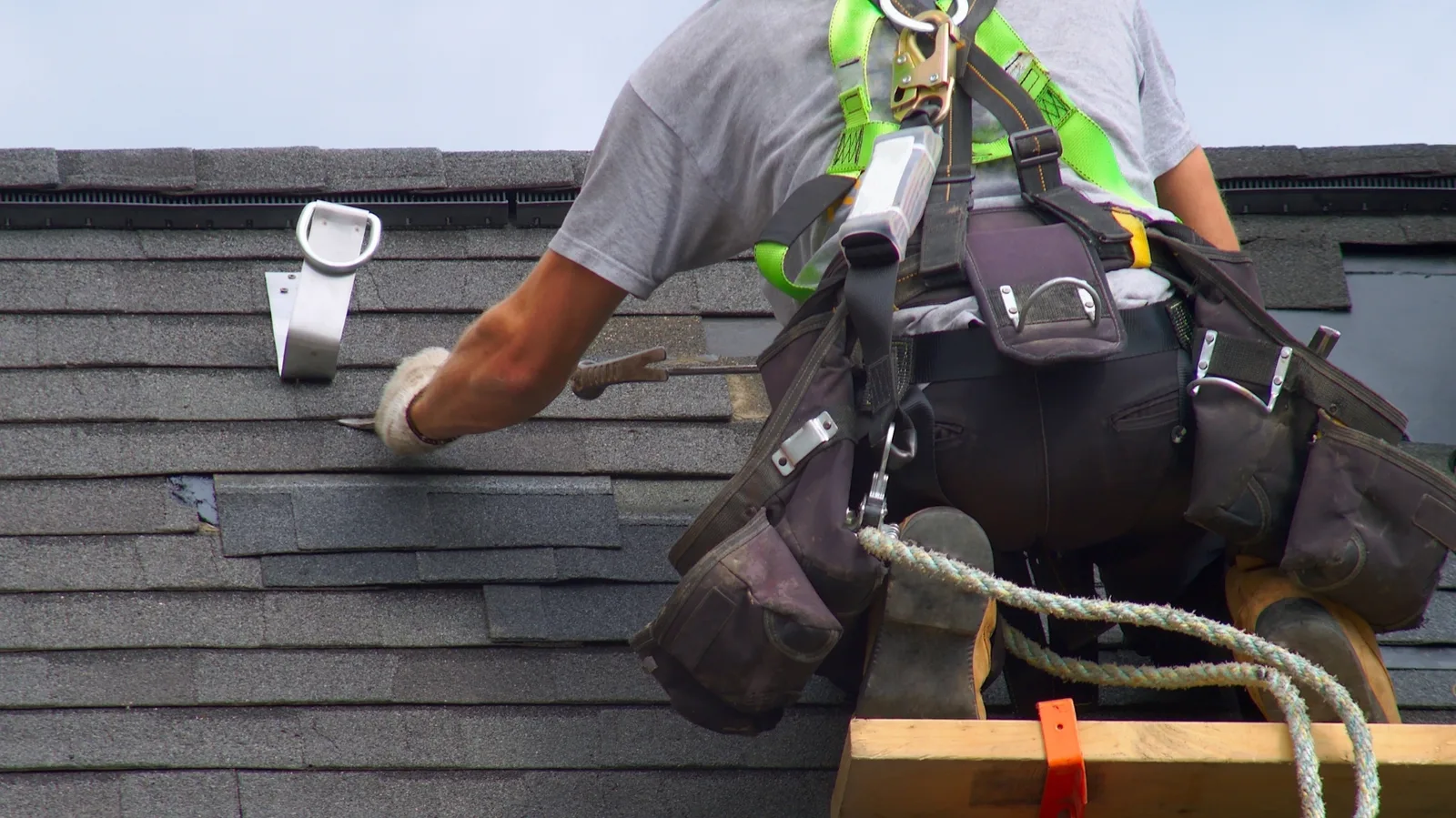
Roof Repair in Terrell, TX
A leak needs the source found and the surrounding roof checked. Start with a free inspection for roof repair in Terrell, whether you have a new ceiling stain, missing shingles or a repair that has not held.
Roof leak detection and repair in Terrell
Replacing a visibly damaged shingle is only useful if it closes the path rain is taking. A plumbing-vent seal can split while the shingles around it remain serviceable. Flashing beside a wall can pull away and admit wind-driven rain. Each calls for a different repair.
The roofer checks how new work will tie into the existing covering. If nearby shingles still lift without breaking, a localized repair has a sound place to join. If they crumble or crack across a larger area, the useful scope grows with the deterioration.
Roof leak patterns and inspection clues
A leak that appears only when rain blows toward a chimney calls for a different investigation than a drip that starts during every shower. The roof detail, the weather and the indoor trace need to agree before a repair location is chosen.
Choose the description nearest to what you remember. These observations help focus a roof inspection; they cannot establish the cause from inside the house. You do not need to wait for more rain or climb onto the roof.
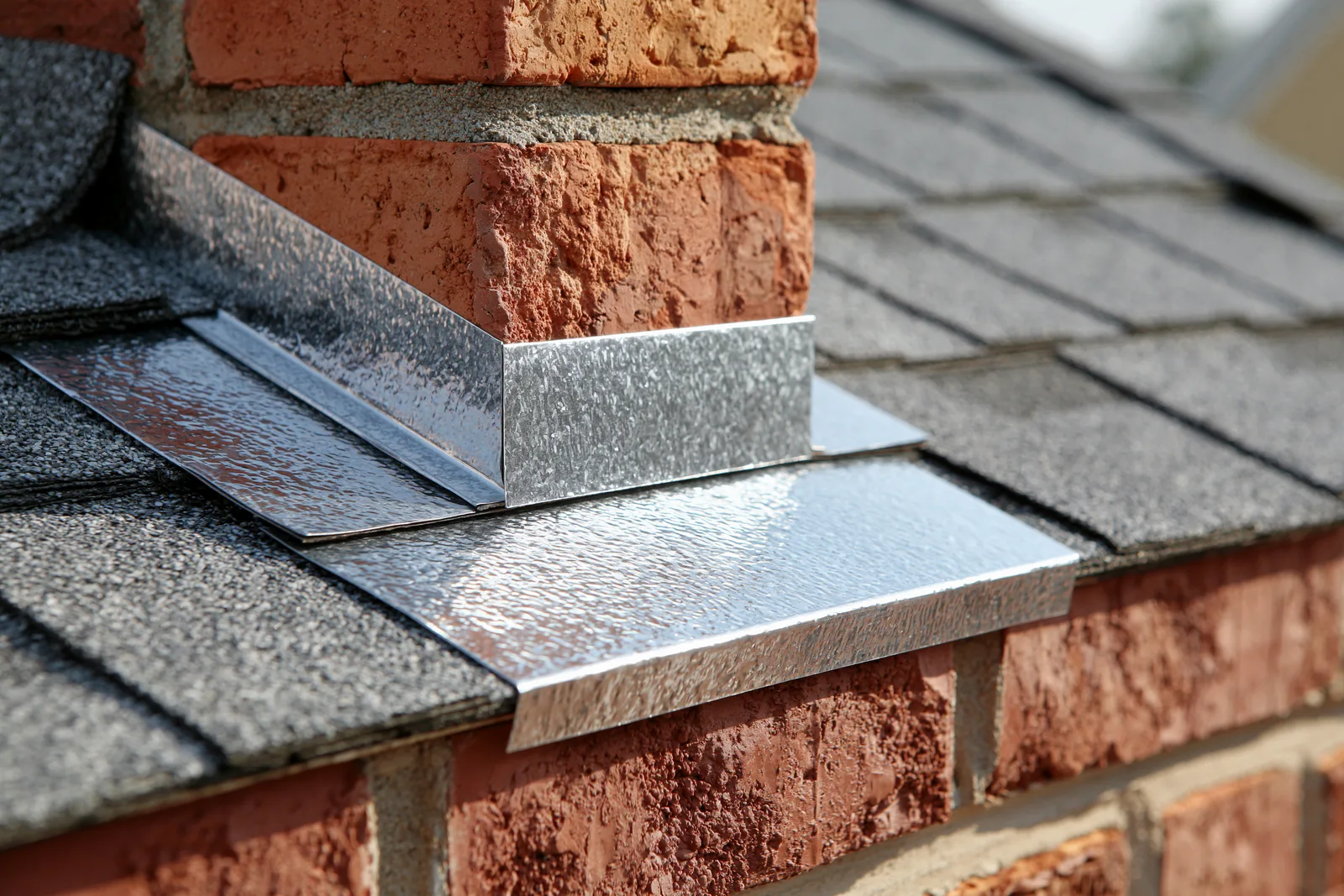
It leaks when rain blows toward one side
Wind-driven rain can reach a joint that sheds a gentler shower. Remembering the exposed side can help a roofer give particular attention to roof-wall connections, chimney flashing and nearby covering.
The roof opening still needs to be found. A ceiling stain can sit away from it, and a finished-looking flashing detail is not proof that every overlap beneath it is sound.
- Mention
- The room, the direction of the weather if known, and whether other showers stayed dry.
- Still to check
- The entry point, layered connection and concealed water route.
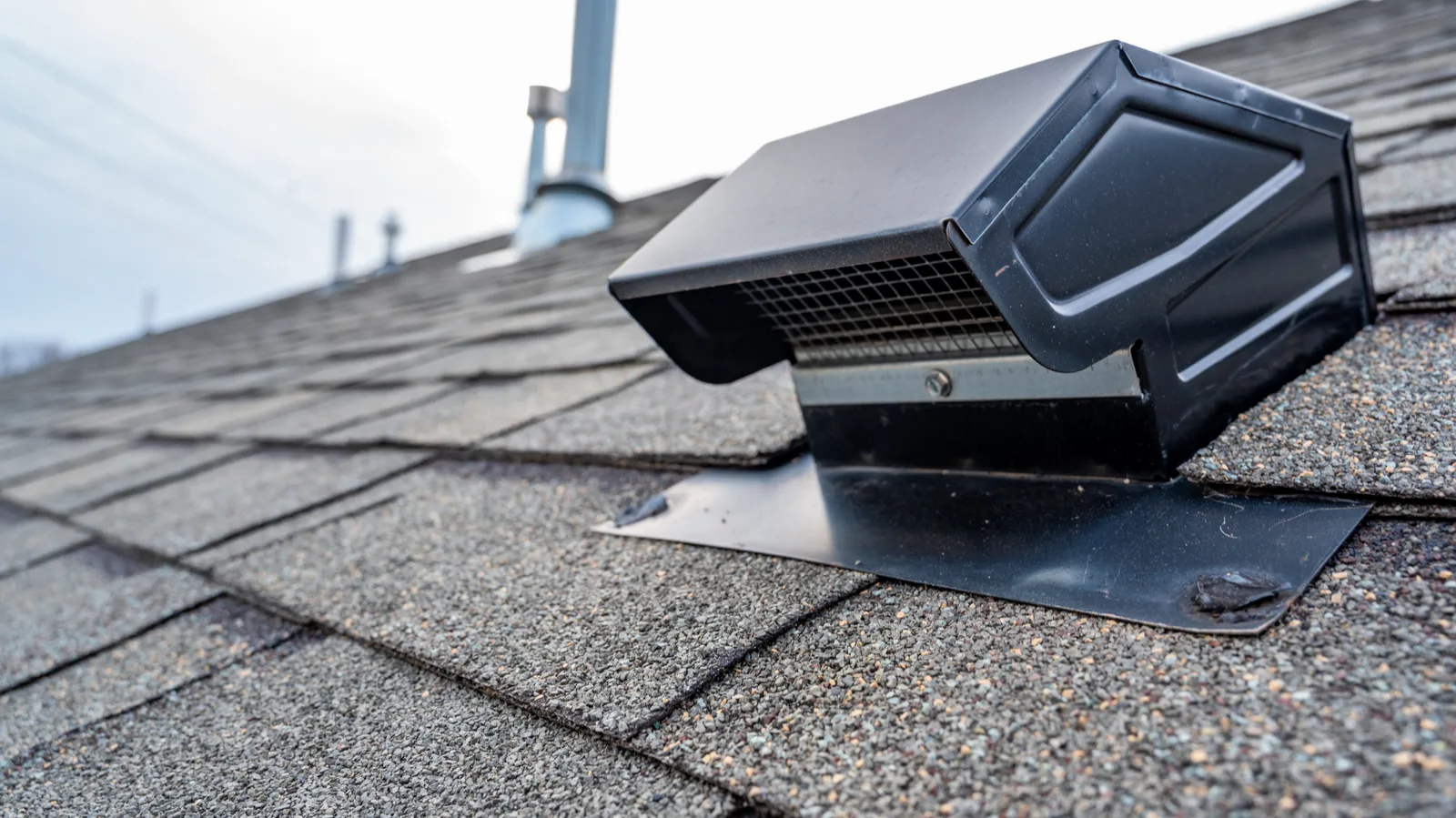
It starts during most showers
A leak that appears in many kinds of rain gives the inspection a recurring symptom to trace. Covering, roof penetrations and flashing all remain possible places to examine; the frequency alone does not name the failed part.
Tell the roofer whether the same spot gets wet each time and whether the affected area has spread. The inspection connects those indoor observations to the roof above and the surrounding material.
- Mention
- Where water first appears and what has changed since the first leak.
- Still to check
- Which roof detail admits water and whether nearby material remains serviceable.

An earlier repair did not settle it
The earlier repair belongs in the roof history. Explain where work was done, what it was intended to stop and when water returned. A new patch needs to address the failed connection and join roofing that can still support a lasting repair.
The same indoor stain does not prove the same opening is responsible. The roof detail and the route beneath it still need checking, along with any damaged wood uncovered by the work.
- Mention
- The repair location, approximate date and any information you already have about the work.
- Still to check
- The repair connection, nearby shingles or flashing, and underlying condition.

The pattern is unclear
You do not need a complete weather record to ask for help. The room, the first time you noticed water and any earlier roof work are useful starting points. A dry spell alone does not show that an opening has closed.
A roofer can examine the covering and connections when safe access allows, then consider indoor or underlying moisture traces where access is practical. The findings determine the repair conversation.
- Mention
- What you noticed, even if the timing or roof history is uncertain.
- Still to check
- The roof condition and the connection between the indoor sign and the exterior detail.
Photographs illustrate the roof details being discussed. A selected condition is an inspection focus, not a diagnosis.
Roof repair materials and lasting connections
| Repair area | Work behind the visible fix |
|---|---|
| A split plumbing-vent boot | The seal around the pipe and its flashing base both need attention. A replacement has to suit the pipe and reconnect with the shingle courses above and below, so water passes over the base instead of behind it. |
| Flashing at a wall or chimney | Repair can involve opening adjacent shingles to reach the layered metal connection. The roof flashing, wall-side cover and the condition of nearby masonry or siding need to be distinguished; coating the exposed joint does not replace missing overlaps. |
| Missing or damaged shingles | The affected courses are lifted far enough to remove damaged pieces, check the support and fasten compatible replacements. The repair depends on surrounding shingles that can be handled without breaking and a product that fits the existing course layout. |
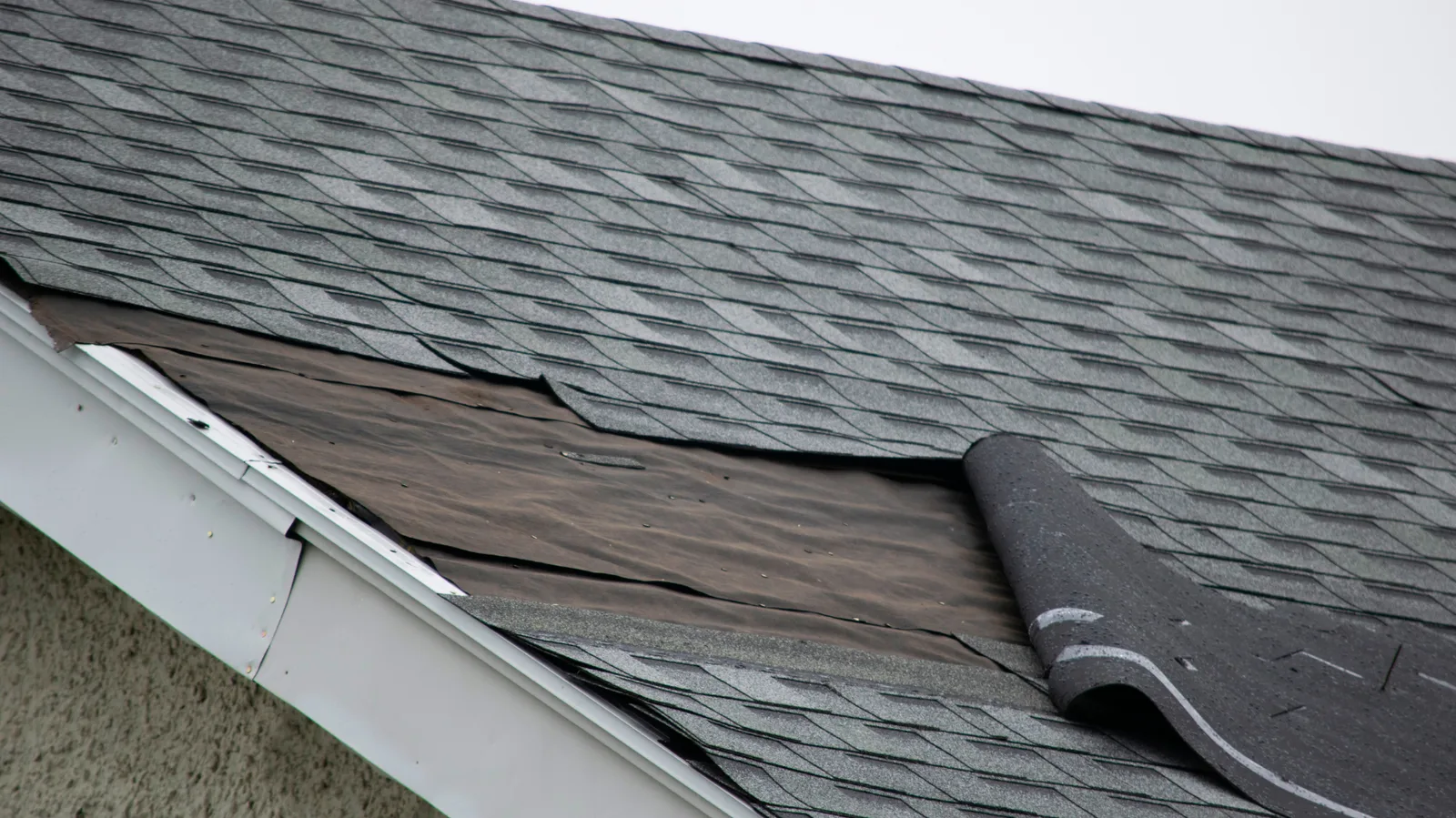
How a Terrell roof repair is completed
Open far enough to reach sound roofing
Once the entry detail is identified, covering is removed far enough to reach a dependable connection. Soft decking, damaged underlayment or old patch material may be hidden underneath. The roofer needs to establish the extent of that damage and the added work before closing it back in.
Restore the layers in their working order
Sound support comes first, followed by the underlayment, flashing and roof covering. At a wall, the new flashing must connect with the wall-side detail and the shingle courses. Replacing a shingle above a missing overlap can leave the original leak path open.
Check the connections and separate the indoor work
The repaired edges and nearby details need a final look, followed by removal of debris and loose fasteners. Stopping water entry is the roofing job. Wet insulation, drywall and paint inside the house may need a separate repair after the source has been addressed.
Terrell roof repair costs and concealed damage
A published 2026 DFW planning example puts a small section, flashing or vent repair at $650 to $1,800. Work involving a significant area and decking can reach $1,800 to $5,500. These are regional project examples, not Terrell quotes. Material, safe access and what is uncovered set the price for an actual roof.
The useful comparison is what the repair leaves behind. Rebuilding one failed connection in sound roofing is different from working through several brittle slopes. Repeated small repairs can stop being economical when each new opening requires a larger surrounding area to be disturbed.
If that is the condition found, compare the repair with roof replacement on the work each would resolve. The proposal should also explain how newly exposed wood damage will be priced and approved, so an initially limited repair has a clear boundary.
Terrell Roof Repair FAQs
Can only part of a shingle roof be repaired?
Yes, when the affected area can connect to serviceable material. The inspection checks the surrounding shingles and underlying condition rather than assuming the whole roof needs replacement.
What if it only leaks in hard rain?
Wind-driven rain can enter a gap that sheds gentler rain. Tell us what you noticed; tracing the flashing, covering and nearby transitions is the roofer’s work.
Should I climb up and cover the leak?
Stay off a wet or damaged roof. Move possessions from the affected room if you can do so safely, and keep people away from sagging ceilings or water near electricity. Temporary roof protection needs safe access and an appropriate method.
Can a repair match my old shingles?
A close match depends on whether the product is still available and how much the existing roof has weathered. Color and texture can differ even when the repair is watertight. That appearance question belongs alongside the repair scope.
Get your Terrell roof leak checked
The room, the first time you noticed it and any earlier repair are enough to start. We can help with the roofing part from there.